A photo
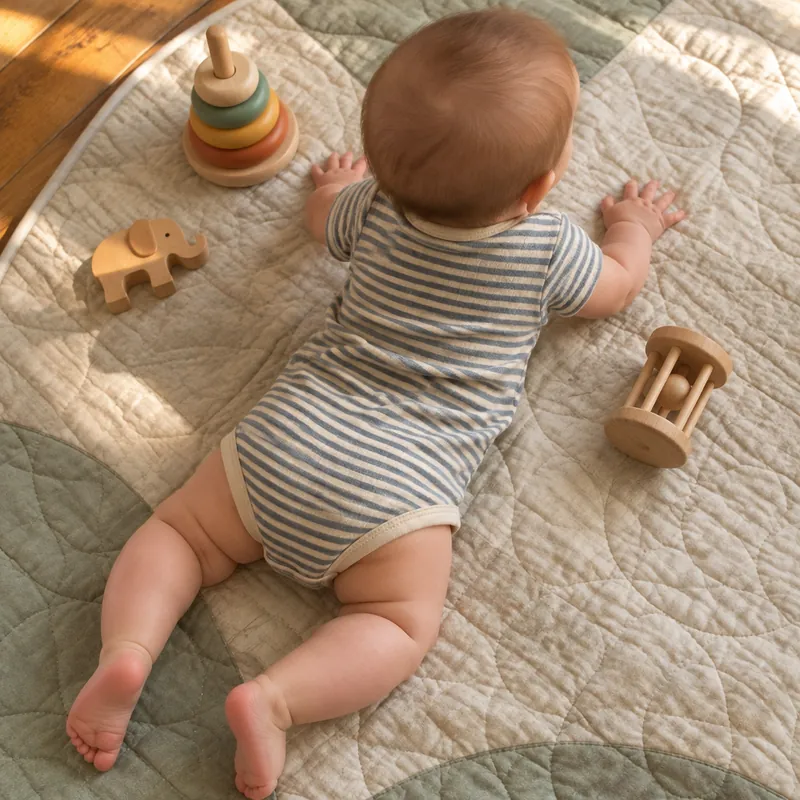
- Pushing up on his forearms
All that tummy time is showing. Many babies start pushing up like this at around four months.
Kept under Moving
 Growing
Early access
Growing is a companion for parents. Tell it what you’re seeing, and it helps you understand how your child is developing, from the first weeks to about six and a half.
Growing isn’t available yet. Join the waitlist and we’ll email you when early access opens.

It began at 3 a.m.
The film is in its final render. It will play here.
The app in the film isn’t a mock-up pasted onto a phone. It’s a web page, and this is it, playing through Leo’s first six and a half years.
This is a still. The running app loads here when it’s available.
What you’re watching is a scripted walkthrough, not a live conversation. Leo and his family are fictional.
A photo. A ten-second clip. A recording of their babbling. A voice note from the car. Something they said at dinner. A worry typed in the dark. You don’t file or tag any of it. Growing tells you what it notices and adds it to the picture of your child.
All that tummy time is showing. Many babies start pushing up like this at around four months.
Kept under Moving
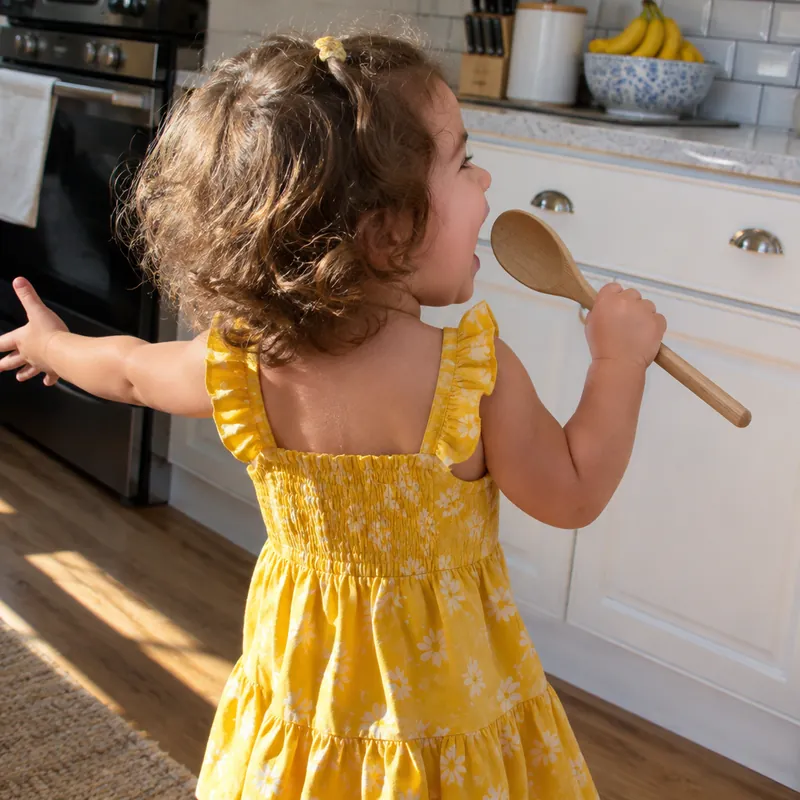 Kitchen concert, 0:12
She’s holding the tune and filling the gaps with her own words. Sing a line wrong on purpose and see if she corrects you.
Kept under Talking
“Ba-ba-ba. Ma-ma-ma-ma.”
Those long strings of sounds are babbling, and it’s how talking starts. Say them back to him, then wait for his turn.
Kept under Talking
“She wouldn’t let me help with her boots. It took eleven minutes. She was so proud of herself.”
Eleven minutes well spent. Wanting to do it herself is the work of being two. On mornings when you can, leave her the time.
Kept under Feeling
“Dad, where does the sky stop?”
Dad, where does the sky stop?
Abstract thinking, right on time
Kept under Thinking
He’s nine months and still not crawling. My sister’s baby crawled at seven.
Some babies crawl at seven months, some at ten, and some skip it and go straight to pulling up. Watch for him finding his own ways to reach what he wants.
To ask at the next visit
“He isn’t crawling yet. What should I be looking for in how he moves?”
It’s the question underneath most of the others. Growing answers with a range, never a number. Most skills arrive somewhere inside a wide window, and the width is the reassuring part.
Look at him. He’s cruising. First steps usually aren’t far behind.
No score. No percentile. Nothing turns red.
When his mark sits near the edge of the range, or past it, Growing says so plainly. Then it helps you work out what to ask, and who to ask. Slide Leo’s age above to see how the answer changes.
A six-week-old and a six-year-old are different jobs. What Growing notices, how it talks to you and what it suggests all change as your child does.
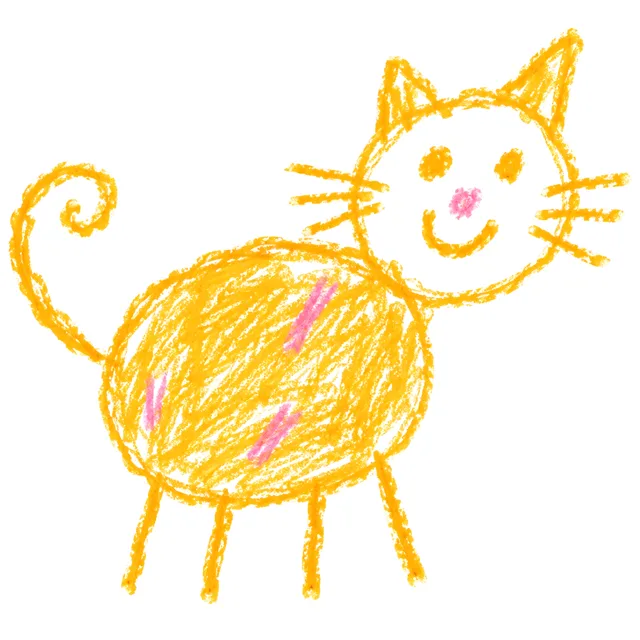
 A scribbleabout 1 to 2½
 A closed circleabout 2½ to 3½A tadpole personabout 3½ to 5
 A whole figurefrom about 5
How a child draws is itself a milestone, so the drawing beside our name is whatever a child of that age would draw.
3:07 a.m. He’s asleep on your chest and you’re afraid to move.
Leo’s first drawing goes hereHe only sleeps when I’m holding him. Am I spoiling him?
You can’t spoil a newborn. Being held is how he learns the world is safe.
You’re doing it right.
Then he grew.
You send a photo because you’re not sure what you’re looking at.
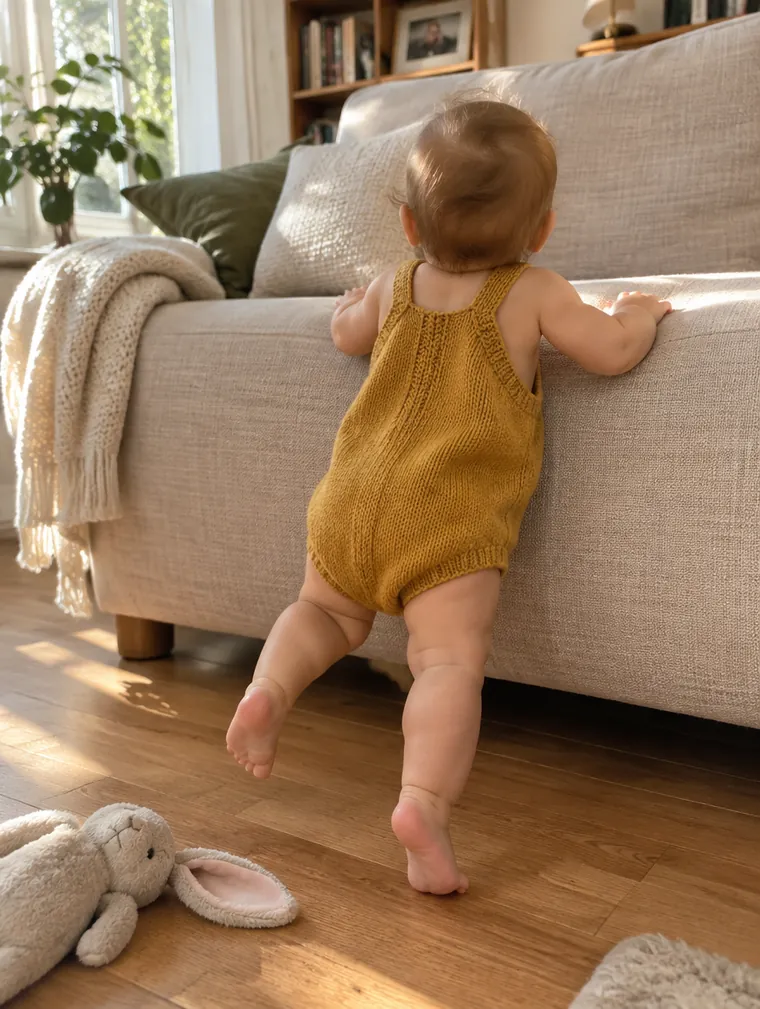
Look at him. He’s cruising. First steps usually aren’t far behind.
You hold the mic button down and say it out loud.
“He says no to everything. Shoes, bath, dinner… Is this normal?”
That’s perfectly normal for this age. He’s just trying to assert his personality. Try giving him two options to pick from.
Try this
The neighbour’s kid is already pedalling. You send seven seconds of the balance bike.
 Balance bike, 0:07
He’s not behind. Most kids find their balance somewhere between four and six. Lower the seat, and let him decide when.
Try this
Lower the seat so both feet touch. Let him decide when.
He hands you a drawing before school. You photograph it before it gets lost.
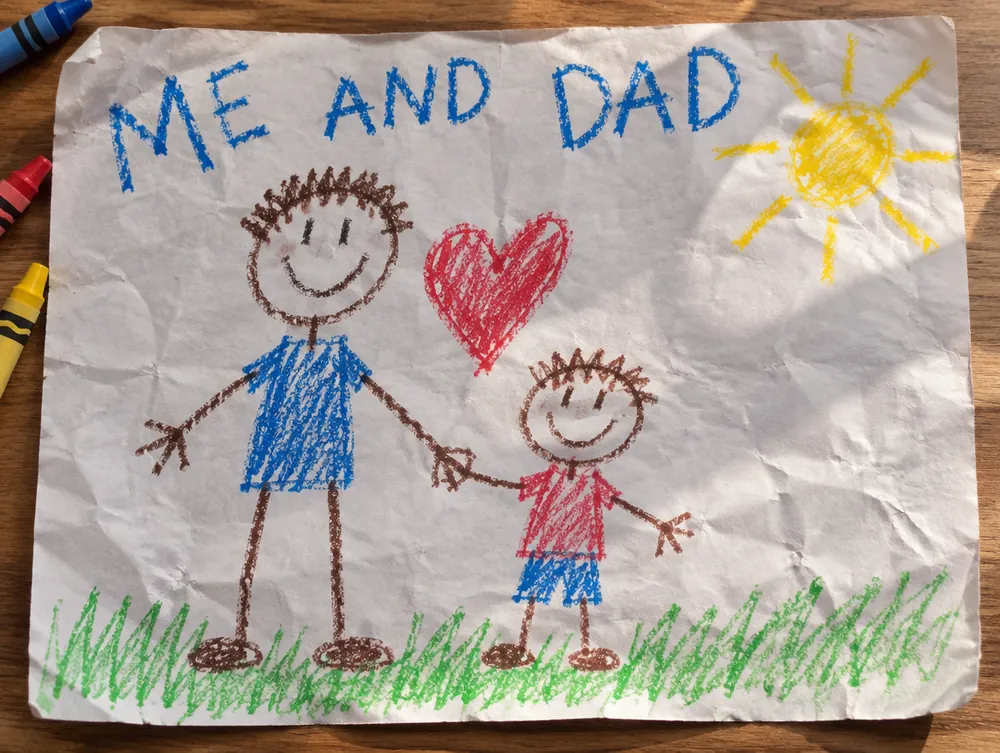
Two people holding hands, and he wrote the title himself. Ask him to tell you the story of this one.
412moments
Six years. Four hundred and twelve little moments. I’ve kept every one.
Everything you give Growing settles into one place: what your child did, said and made, beside what’s typical for each age. It’s there when you want to look back, and it’s useful to bring to a check-up.
The drawings are taped up newest first, down to the first scribble. Leo is a fictional child, and every drawing here is a generated stand-in, not a real record.
6½“Me”
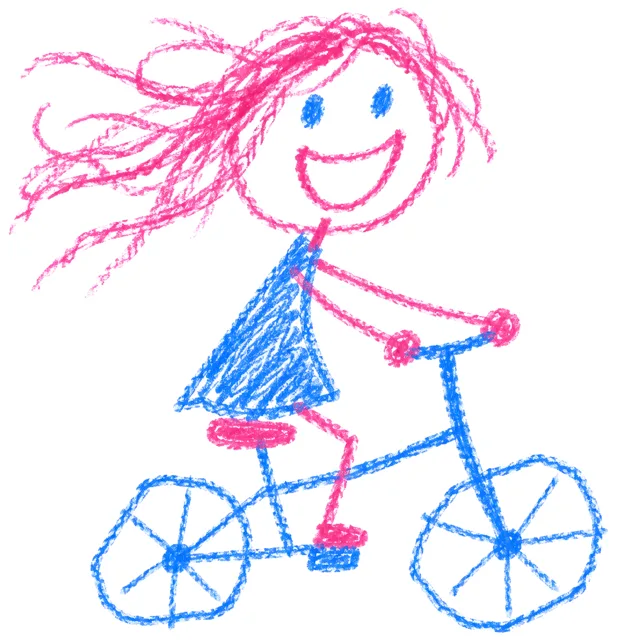
5No stabilisers
4“Daddy”
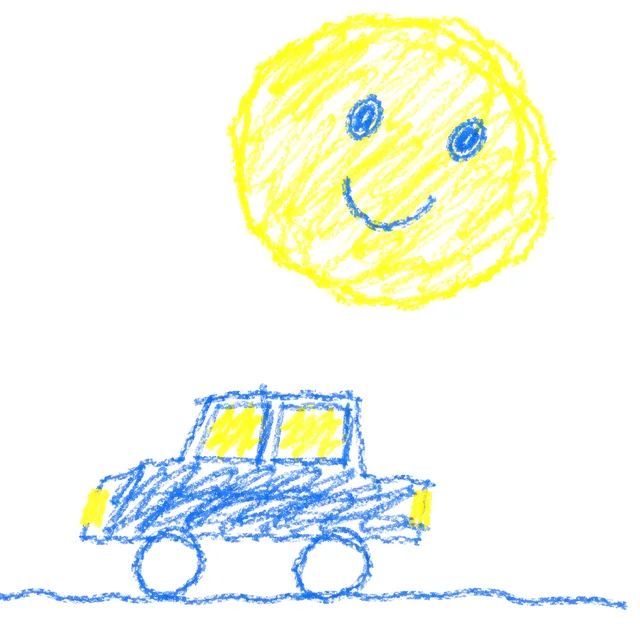
3The moon follows our car
3First closed circle
13 moFirst scribble
Growing doesn’t diagnose. It helps you notice, and know what to ask.
If you’re worried about your child’s health right now, call your pediatrician or your local emergency number.
Growing is still being designed. Nothing below has been built to completion or checked by an auditor. These are the principles we’re designing toward, written down so you can hold us to them.
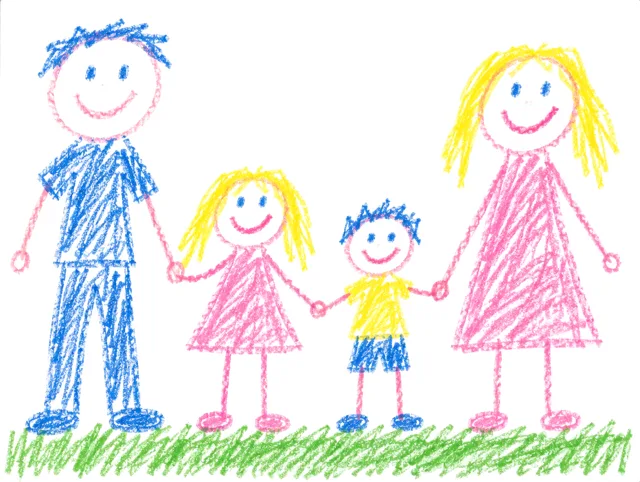
He’s growing up just fine. And so are you.